Steven Carter's story
- Posted: 9 March 2026
- 3 min read
Running for those we've lost, and those still fighting.
Steven Carter shares his story.
On 27 April 2026, I’ll stand at the start line of the London Marathon knowing this race is about far more than 26.2 miles. I’m running in memory of my late Nana and my late Father-in-Law, both taken by pancreatic cancer. And I’m running for my Mother-in-Law, who is still here, still fighting, six years after her diagnosis, defying the odds every single day. This isn’t just a marathon. It’s personal.
Losing my Nana
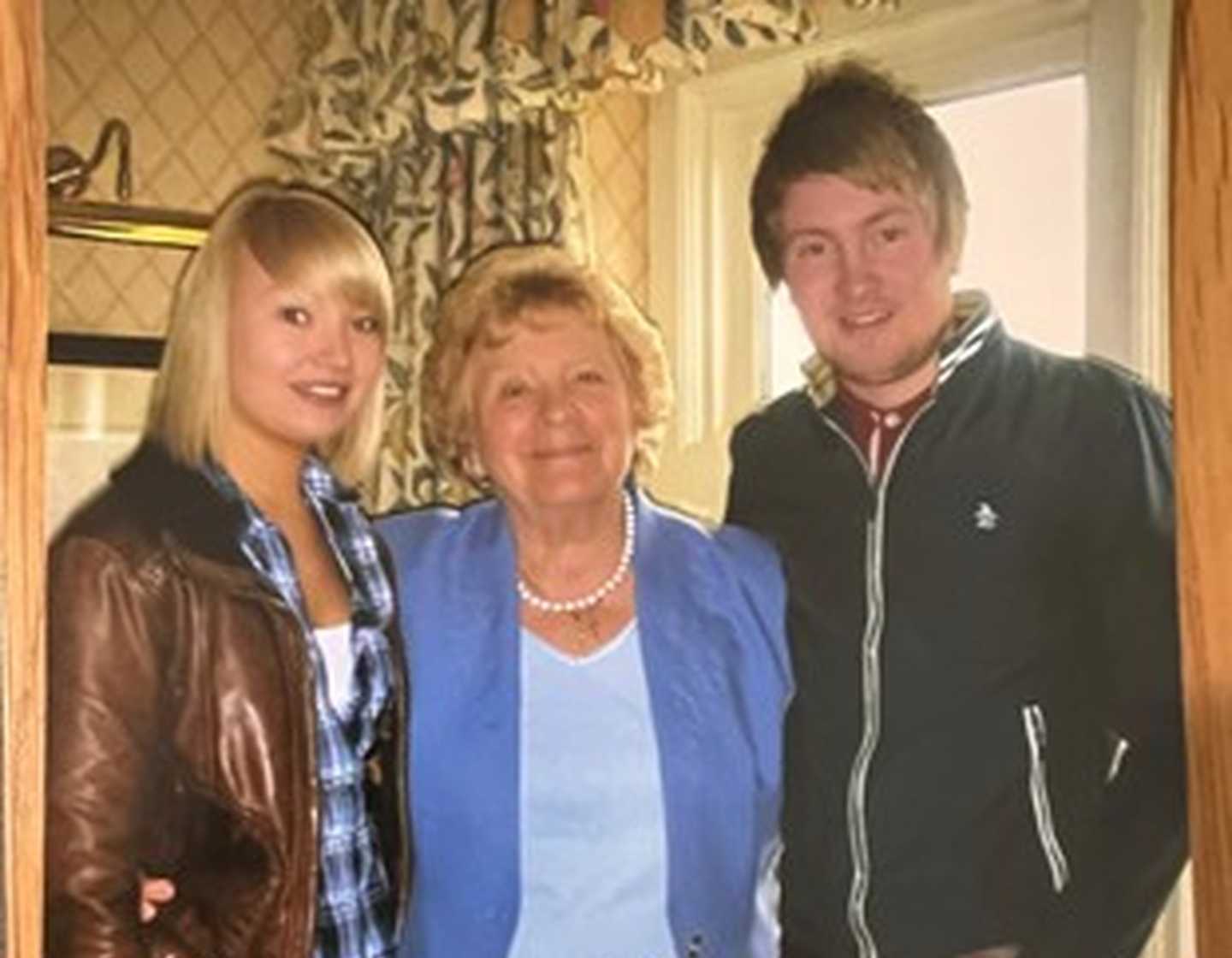
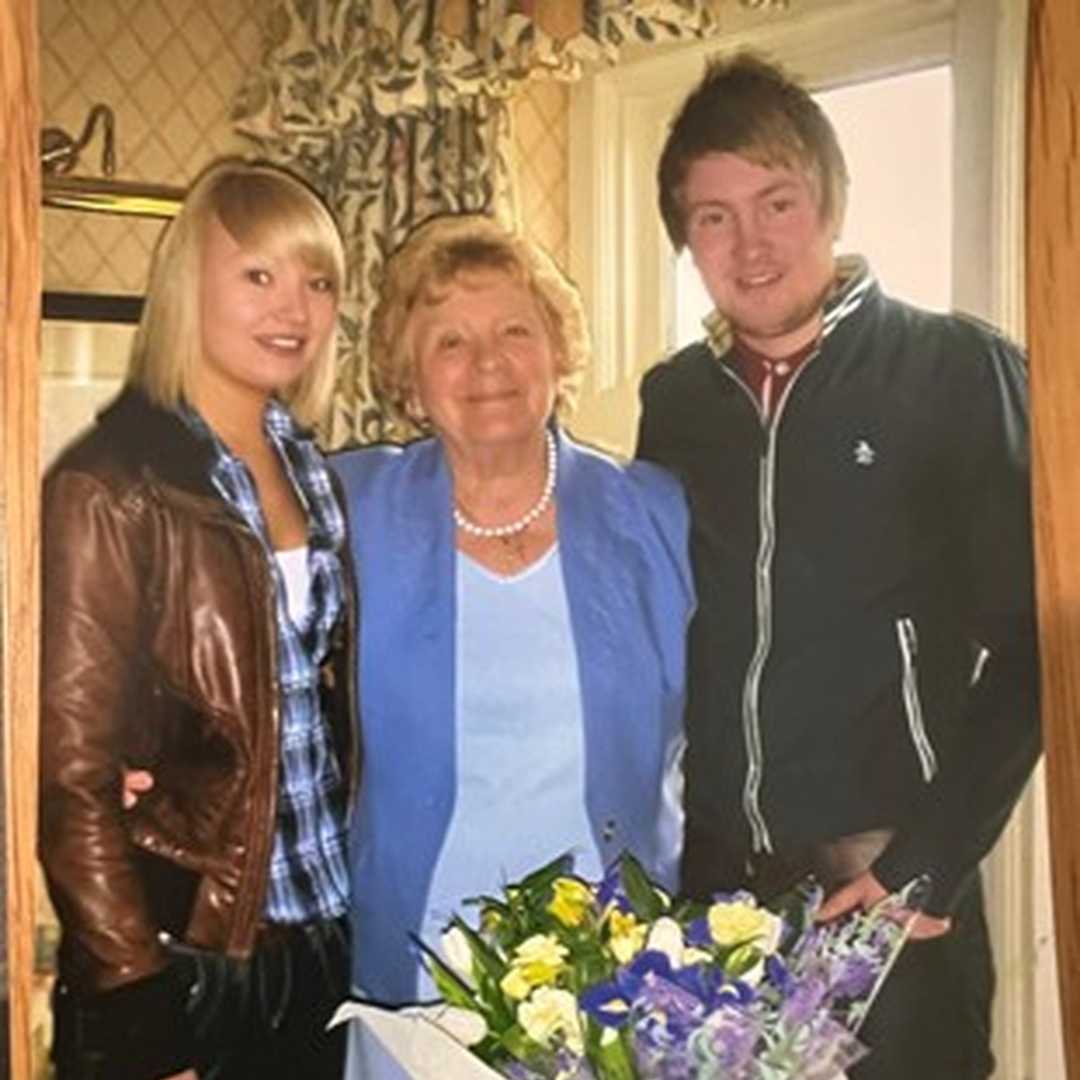
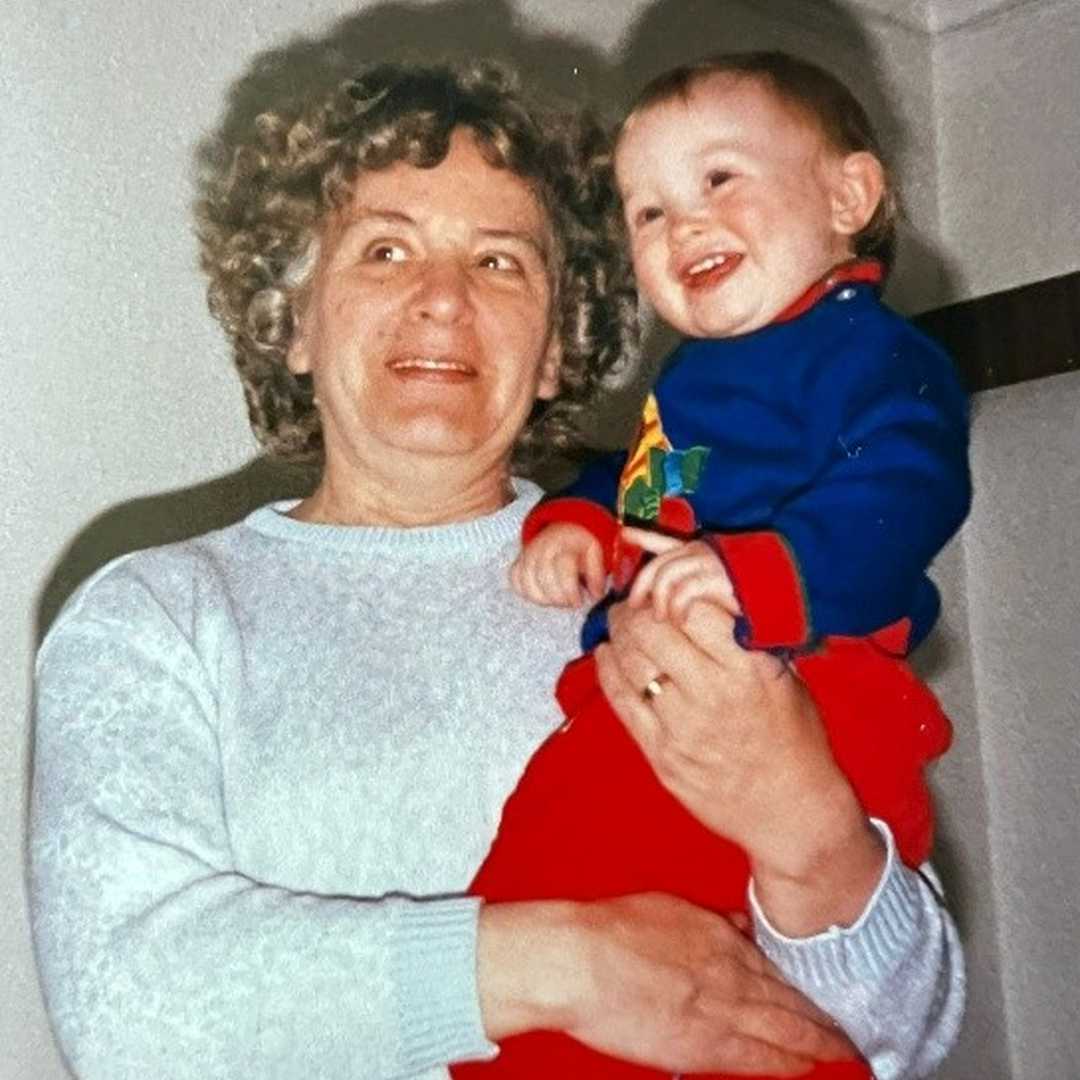
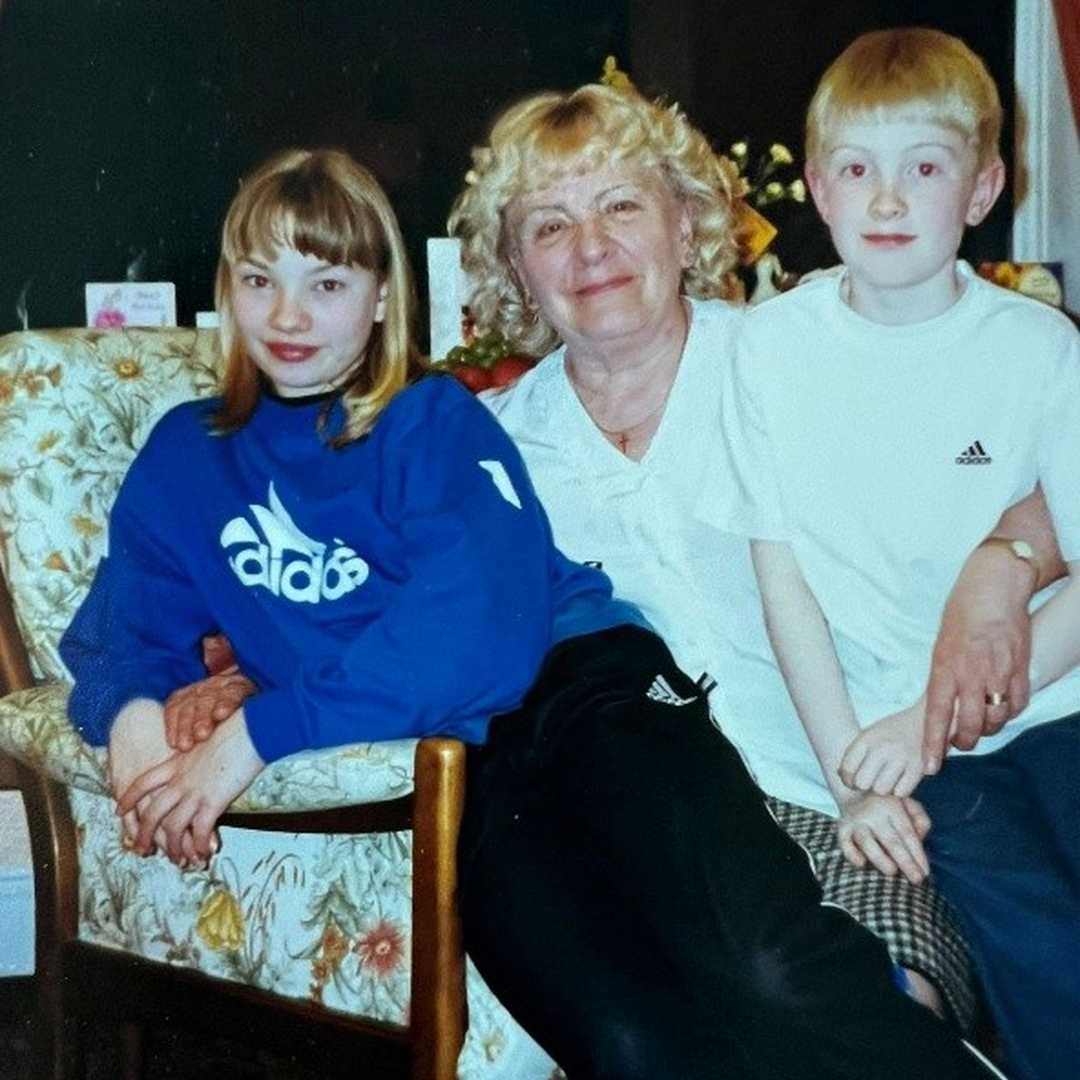
My Nana, Marjorie Shotton, died in 2011, on the day I graduated. While I was supposed to be celebrating one of the proudest days of my life, our family was saying goodbye.
She deteriorated incredibly quickly. From diagnosis to losing her was just weeks. By the time the cancer was found, it was already too late for meaningful treatment. What stands out now, years later, is how sudden it all felt. There was no real time to process it, no long goodbye.
Pancreatic cancer has a cruel way of doing that. Symptoms are often vague. Back pain. Stomach discomfort. Things that are easy to dismiss. By the time you realise something is seriously wrong, it can already be advanced.
At the time, I didn’t fully understand how aggressive this disease was. I just knew we’d lost her far too soon.
Three months with my Father-in-Law

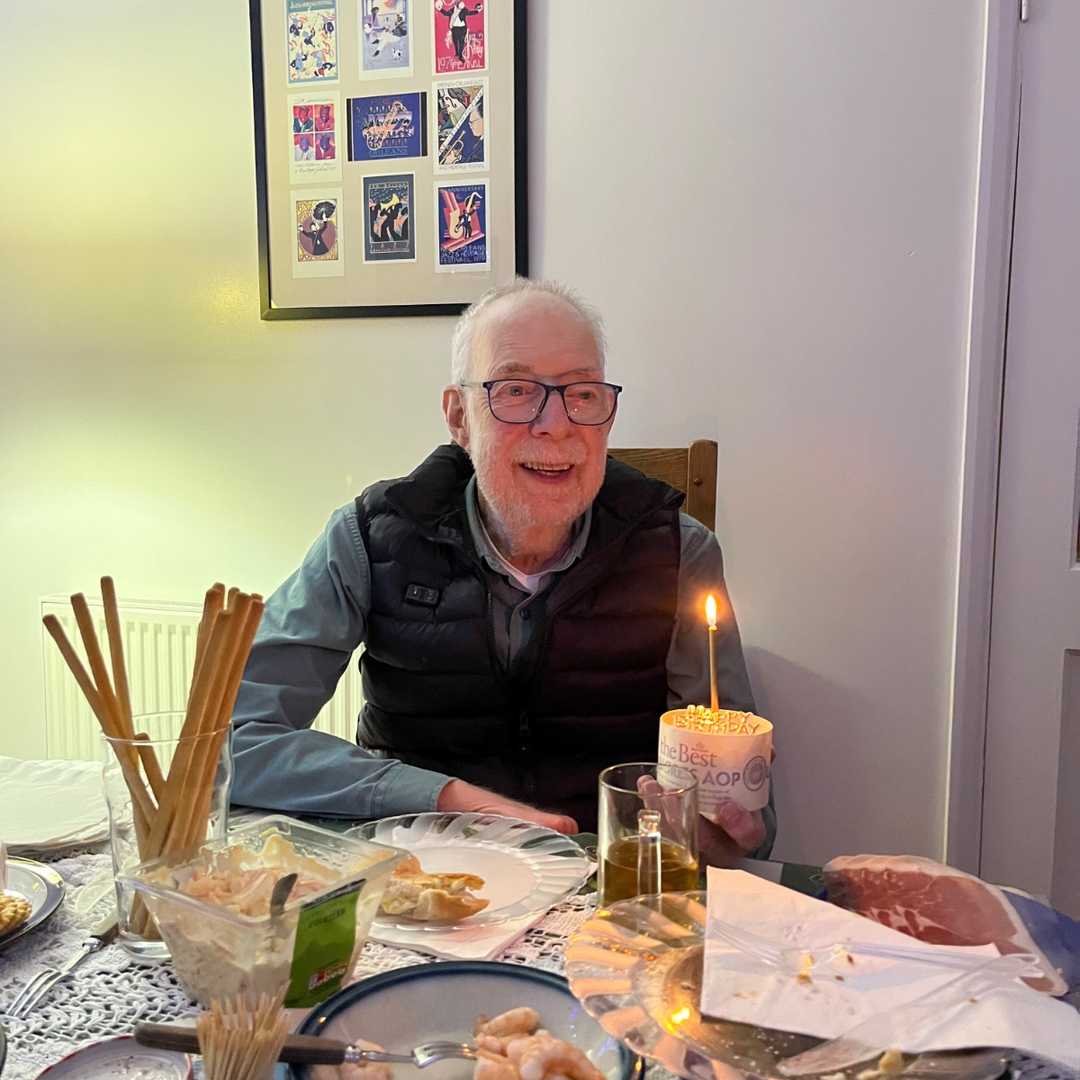
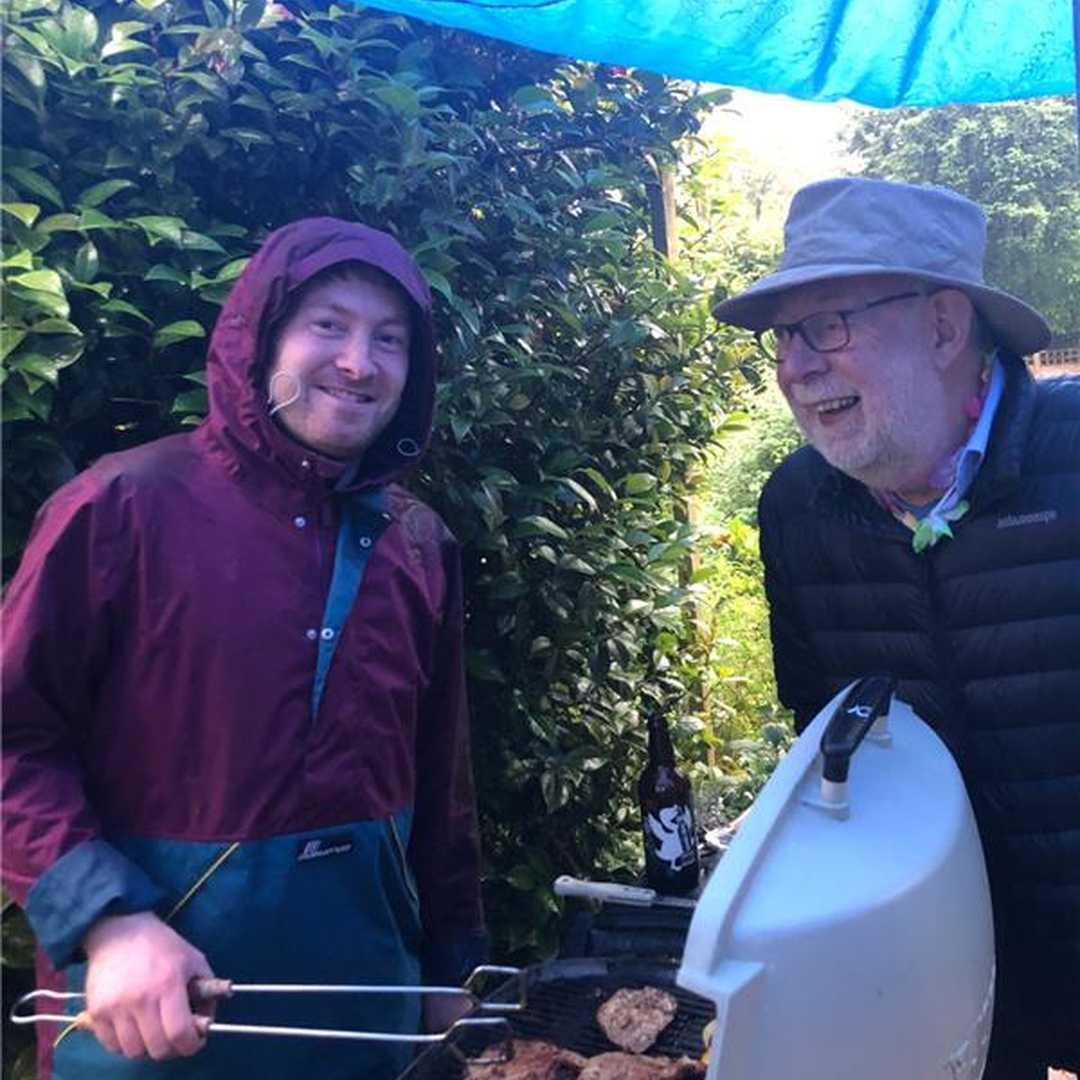
My Father-in-Law, Alan Richens, was diagnosed shortly after his 76th birthday. Three months later, he was gone.
He’d been experiencing stomach discomfort and a noticeable swelling. Because my Brother-in-Law is a doctor, there was an awareness early on that something wasn’t right. But even with that vigilance, it escalated at frightening speed.
He began chemotherapy. Initially, that felt like hope. He was willing to fight. He believed in medicine. He’d worked in healthcare himself. His son is a doctor and he understood the process.
Pancreatic cancer doesn’t just take lives. It can take the person long before it takes the body.
The other side of the story
There is another side to this, and that’s why awareness matters so much.
My Mother-in-Law was diagnosed in the summer of 2020. Her cancer was caught early enough for her to undergo the Whipple procedure, a complex surgery that offers a chance of longer-term survival.
Six years on, she is still here.
Her journey proves something important: early diagnosis can change everything.
If we can catch this disease sooner, outcomes can improve. Survival can improve.
Why this marathon means even more
I’m 37 years old. I live in Shardlow, Derbyshire, and I work in the media and marketing team at Notts County F.C.. I’m used to telling other people’s stories from behind the camera.
This time, it’s mine.
My wife and I are expecting our first child, a baby boy, who is due just one month before race day.
Realistically, I’ll be running the London Marathon with a four-week-old baby at home. Sleep will be minimal. Training will be squeezed around nappies and night feeds. My wife likely won’t even be able to travel down to watch because our newborn will be so young.
But in a way, that makes it more powerful.
I’m running in memory of the family that my son will never meet.
When you’re about to become a parent, your perspective shifts. You think about legacy. About health. About what kind of world your child is growing up in. If raising awareness and funds can help even one family avoid what ours has experienced, then every mile will be worth it.
More than a finish line
On marathon day, I’ll be thinking about my loved ones. About the conversations we never got to finish. The milestones they’ve missed.
And I’ll be thinking about my Mother-in-Law, still showing up, still enduring treatment, still here because her cancer was caught in time.
The London Marathon is 26.2 miles. Pancreatic cancer is a much longer, tougher road. This is my way of fighting back.
If you can support the cause, share the message, or simply learn the symptoms, it all makes a difference.
Because early diagnosis can mean six more years. It can mean meeting your grandchild. It can mean hope.
And that’s worth running for.
Support Steven's London Marathon fundraiser
You can support Steven's London Marathon fundraiser as we takes on his first ever marathon to raise funds for Pancreatic Cancer Action
Donate now