A daughter’s Christmas heartbreak and her mission to change the future
- Written by Xana Doyle
- Posted: 12 December 2025
- 4 min read

Christmas was always the season that lit up the Dhesi home. For 55-year-old Gurbaksh, from Coventry, it was the day she poured her whole heart into. The laughter, the bustle in the kitchen, the slow, careful preparation of dishes passed down through generations. Every detail mattered because Christmas, to her, meant family. It meant love. It meant everyone together.
In December 2024, the warmth of that tradition was touched by something none of them expected. On Boxing Day, just hours after the celebration she adored more than any other, Gurbaksh passed away from pancreatic cancer.
Her daughter, Kashie, still speaks of her mother as if she might walk through the door at any moment, apron on, spices in hand, ready to feed an army.
“Mum’s whole world was her family,” she says. “She made every Christmas feel like a storybook. The food, the laughter, the way she cared for us… she made everything feel special.”
For Gurbaksh, food was never just food. It was how she loved. She was the one who remembered everyone’s favourite dishes, who stayed up late preparing trays of treats, who insisted on sending guests home with leftovers wrapped in foil and warmth. Her Christmas table wasn’t simply a meal. It was an expression of devotion.
But in the weeks before Christmas 2024, that bright, constant energy had begun to fade. She mentioned stomach pain. She ate a little less. She was more tired than usual. These were small changes, that any family might dismiss. Nothing sharp or dramatic enough to set off alarm bells. Nothing that hinted at the silent cancer growing inside her.
By the time she was finally diagnosed, the truth arrived like a blow no one was prepared for. The cancer had already spread too far, too fast.

Mum loved Christmas more than anyone, losing her the day after has changed this time of year forever for us. It will never feel the same.
Kashie, Gurbaksh's daughter
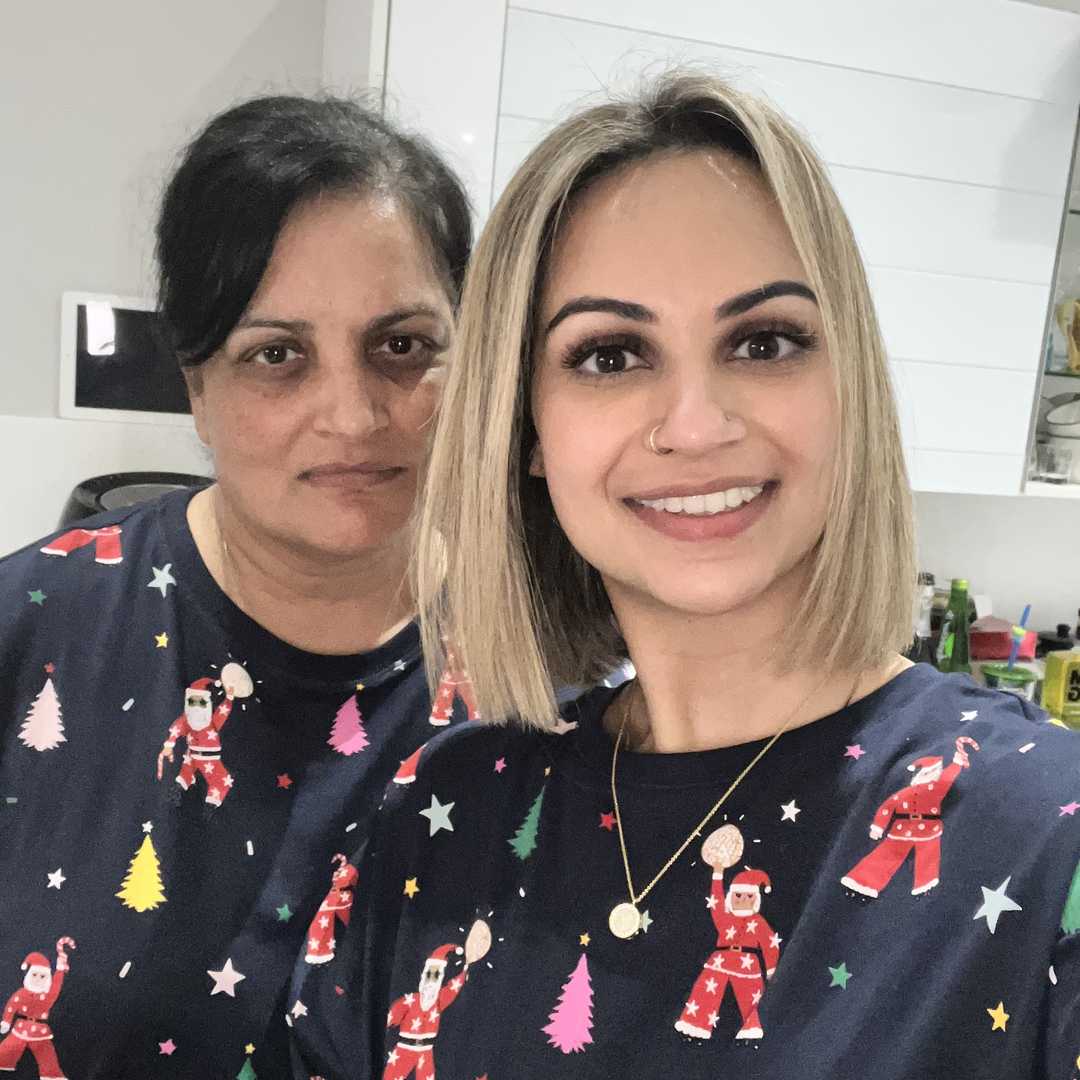
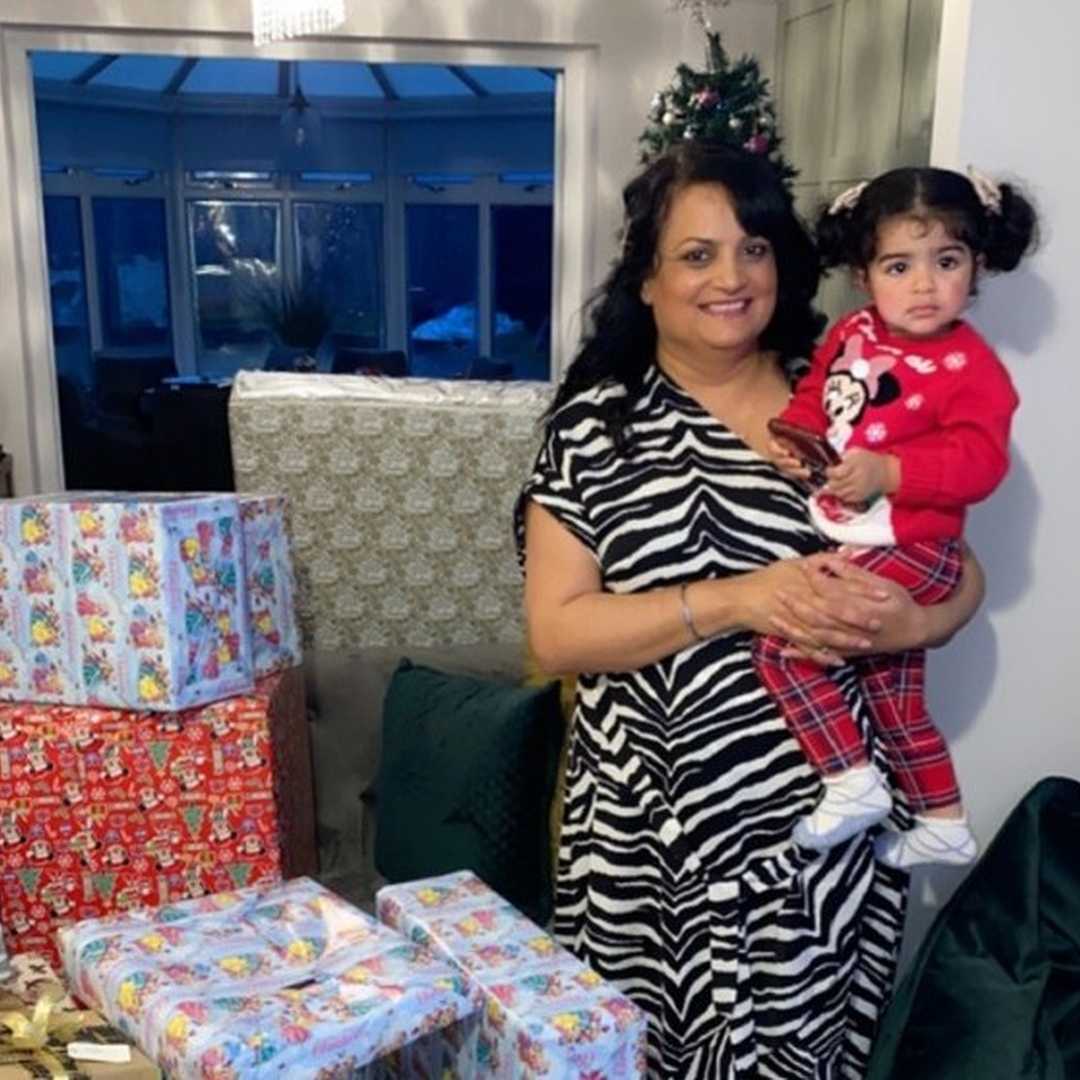

On Boxing Day morning, with the tree still lit and the remnants of Christmas still scattered around the room, the family gathered at her side. Surrounded by the people she loved most, Gurbaksh slipped away.
“I had mentally prepared myself for the possibility that we might only have a few months with her, but I never imagined it would be reduced to just days. The speed at which pancreatic cancer took her life is something I still struggle to comprehend.’
“Mum loved Christmas more than anyone,” says Kashie quietly. “Losing her the day after has changed this time of year forever for us. It will never feel the same.”
Grief settled into their home, but so did something else: determination. Kashie is now sharing her mother’s story because she hopes it might save someone else’s. “If one family recognises the symptoms earlier because of Mum, if one person gets diagnosed sooner, then her story will have made a difference,” she says.
She dreams that other families might be given what her family lost so suddenly: one more Christmas, one more birthday, one more ordinary moment that becomes extraordinary once it’s gone.
Grief settled into their home, but so did something else: determination. Kashie is now sharing her mother’s story because she hopes it might save someone else’s. “If one family recognises the symptoms earlier because of Mum, if one person gets diagnosed sooner, then her story will have made a difference,” she says.
She dreams that other families might be given what her family lost so suddenly: one more Christmas, one more birthday, one more ordinary moment that becomes extraordinary once it’s gone.
Pancreatic cancer is one of the hardest cancers to recognise. Its earliest symptoms often whisper instead of shout. But those whispers matter, because early diagnosis can save lives.
Mr Neville Menezes, Consultant Pancreatic Surgeon at Ashford and St Peters Hospital NHS Foundation Trust, said:

Pancreatic cancer can develop quietly. By the time symptoms become severe, the disease is often advanced. Recognising subtle changes in your body and acting quickly can make all the difference.
Mr Neville Menezes, Consultant Pancreatic Surgeon at Ashford and St Peters Hospital NHS Foundation Trust
He outlined the key symptoms that should never be ignored, especially if you experience them together:
- Persistent upper abdominal or back pain that doesn’t go away and does not respond to medical treatment like analgesia or medication to decrease stomach acid.
- Unexplained weight loss or loss of appetite that persists.
- Jaundice, where the skin or eyes turn yellow, often accompanied by dark urine or pale stools.
- New-onset diabetes, particularly in people over 50 with no family history, additionally, if diabetes appears suddenly in people who otherwise have a healthy diet and healthy lifestyle.
- Digestive issues, such as nausea, indigestion, bloating, or changes in bowel habits that are persisting for no apparent reason.
- Itchy skin, which can occur before jaundice appears.
“These symptoms don’t always mean pancreatic cancer,” added Mr Menezes “but if they persist for more than four weeks, it’s crucial to see your GP to make sure that these are not serious symptoms.
This December, Pancreatic Cancer Action has launched the ‘Gift of Time’ campaign to encourage people to donate in memory of a loved one they have lost to pancreatic cancer. These contributions will raise awareness of early symptoms, provide reliable information for worried families, support GPs and pharmacists in recognising signs sooner, and fund research that brings hope for earlier diagnosis.
This work is about more than medicine. It is about giving families the gift that means the most when you are staring loss in the face. Time. More celebrations. More memories. More conversations you didn’t know would be the last.
Donate via https://pancreaticcanceraction.org/support-us/donate/the-gift-of-time/
For Kashie. For Gurbaksh. For every family praying for more time with the people they love.